
Local SEO for therapists: The guide to ranking on page 1 in your city for your private practice
You're not bad at marketing. Your practice just isn't visible locally yet.
If you've ever wondered why other therapists seem to appear on Google when someone searches for therapy in your city while your practice barely shows up, you're not alone.
Most private practice owners assume they are doing something wrong with marketing. The reality is simpler than that. Most therapists were never taught how local SEO for therapists actually works.
You didn’t start your practice to become an SEO strategist, a Google expert, or someone constantly trying to figure out algorithms. You started your practice to help people. But when inquiries slow down or your website feels invisible online, it can start to feel like your marketing is failing.
The truth is that your marketing is not broken. Your local visibility system simply hasn’t been built yet.
Local SEO is what helps your practice appear when someone searches for things like:
- therapist near me
- anxiety therapy in your city
- trauma therapist near me
- couples therapy in your area
When your local SEO is working properly, your website stops being a quiet online brochure and starts becoming a system that consistently brings the right clients to your practice.
This guide will walk you through local SEO for therapists in simple, practical terms so you can understand how therapists actually show up on Google and how your practice can do the same.
In case you’re new here…
’m Natalia, and I help therapists and private practice owners build websites and
local SEO systems that bring the right clients to their practice without turning them into full time marketers.
Most clinicians didn’t start their practice because they love figuring out Google rankings, SEO strategy, or website tech. They started it to help people. But without a visibility system in place, even the most skilled therapist can feel invisible online.
Through my website design and SEO services for therapists, I help therapists move from feeling overwhelmed by marketing to having a website that consistently shows up in local searches and attracts aligned clients.
The goal is simple: create a marketing system that works quietly in the background so you can focus on your clients while your website continues bringing new inquiries to your practice.
What exactly is local SEO and why therapists should care
Local SEO stands for Local Search Engine Optimization. It is the process of helping your therapy practice appear when someone searches on Google for services in their area.
That might look like searches such as:
- trauma therapist in Dallas
- EMDR therapist near me
- couples therapy in Austin
- anxiety therapist in Chicago
When someone types one of these searches into Google, the search engine tries to connect them with therapists who are nearby and relevant to what they need.
Google’s job is to connect people with solutions. Your job is to show Google that your practice is the solution for people in your area.
That is where local SEO for therapists comes in.
Local SEO is not about tricking search engines or chasing complicated algorithms. It is about building a website and online presence that clearly tells Google three simple things:
- who you help
- what type of therapy you provide
- where your practice is located
When those signals are clear, Google is much more likely to show your website to people searching for therapy in your city.
For private practice owners, local SEO matters because it allows your practice to be discovered by the right clients at the exact moment they are looking for help.
Instead of constantly posting on social media, paying for ads, or trying to stay visible online every day, your website can start doing the work for you by appearing in local search results when people need your services most.
Blogging vs. SEO: What’s the difference?
Blogging is a format. SEO is a strategy.
Here’s how most therapists blog:
- They write about whatever they feel inspired by that day.
- They don’t use specific keywords.
- They post inconsistently.
- They treat it like a diary or reflection journal.
That kind of blogging is helpful for nurturing existing followers, but it won’t bring new people in the door.
SEO blogging is different. It’s intentional. It’s based on:
- Keywords your ideal clients are actually searching
- Content categories that align with your services
- A blog structure optimized for readability and ranking
When you combine thoughtful blogging with strategic SEO, your blog becomes a traffic-generating, client-attracting machine.
Website SEO essentials for private practice owners
Your website should work harder than you do. But for it to do that, you need a few key pieces in place:
1. Fast hosting + mobile optimization
Google favors fast-loading websites. Choose a reliable host (like Duda or SiteGround) and make sure your site is mobile-friendly. If your site takes more than 3 seconds to load, you’re losing traffic.
2. SEO-friendly structure
Make sure you have clean, readable page URLs like
/anxiety-therapy-new-york
instead of
/page123?id=45
. Your navigation should be simple, and each service should have its own page—ideally optimized for a local keyword.
3. Keyword-optimized meta titles and descriptions
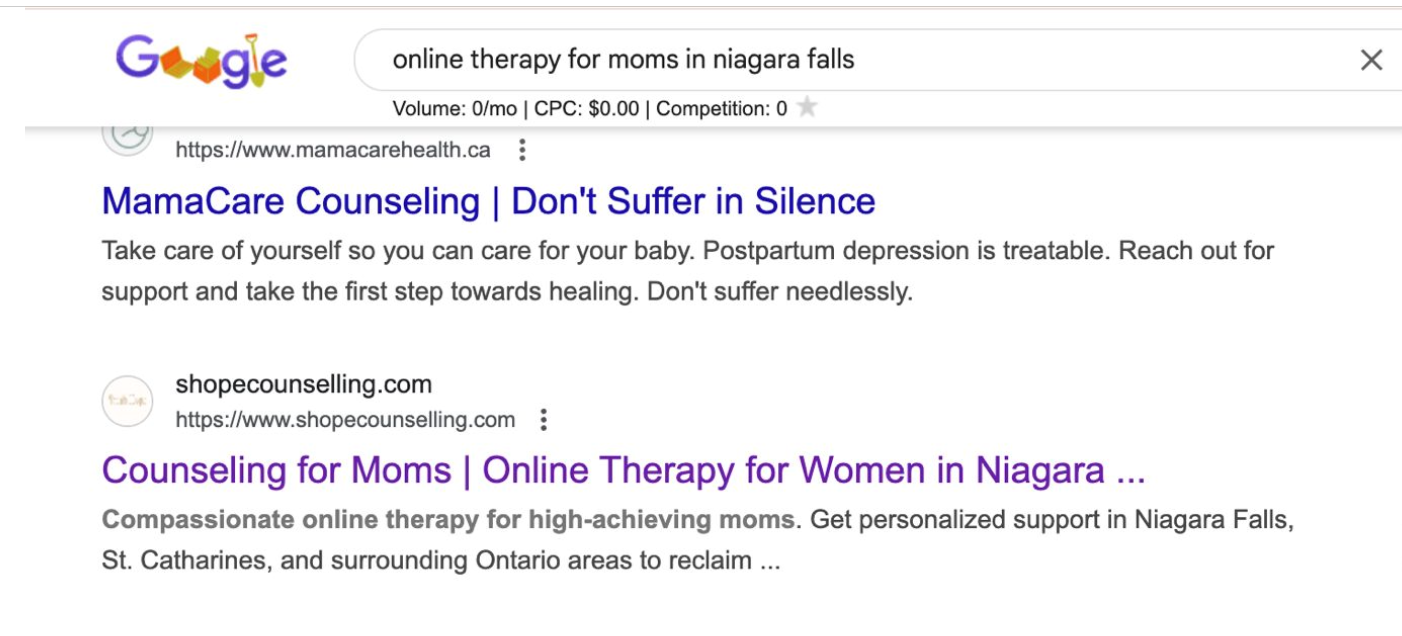
Your meta title appears as the headline in search results. Your meta description is the preview underneath it. These should include your core keywords and a reason to click.
Example:
- Title: EMDR Therapy for Teens in Tampa| Trauma-Informed Healing
- Description: Looking for an EMDR therapist for your teen in Tampa? Learn how we help teens process trauma, build emotional resilience, and feel empowered again.
4. Optimized blog strategy
Your blog should support your offers. If you offer trauma therapy, your blog should include posts like:
- “What is trauma-informed care?”
- “How EMDR helps teens after a difficult event”
- “What to expect in your first EMDR session”
Every blog is an opportunity to answer your clients' real questions—and show up in their search results.
SEO terms explained (no tech degree required)
Meta titles
The clickable headline that appears in Google. Should include your target keyword + something clear or emotionally compelling.
Meta descriptions
Short blurbs that tell the reader (and Google) what your page is about. Keep it under 160 characters. Use keywords + one core benefit.
Alt text
Text that describes your images for accessibility and SEO. Every image should have descriptive, relevant alt text.
Backlinks
When another website links to yours. Backlinks are like votes of confidence that boost your site’s authority. Guest posts, features, and directories are all ways to earn backlinks.
SEO settings
These are the backend settings on your website where you manage URLs, meta data, image optimization, and header tags. Tools like Duda and HighLevel (affiliate link) make this easier to manage even if you’re not a tech person.

What’s a “good” SEO score?
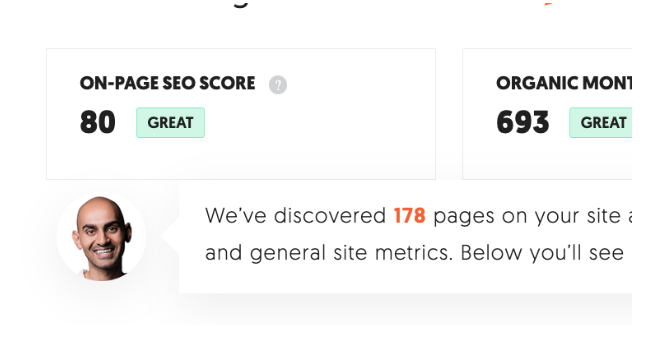
SEO scores are benchmarks used by tools like Ubersuggest or SEMrush. They’re helpful—but not gospel.
- A score above 70 means your website is generally healthy.
- Above 80 and you’re in great shape.
- But don’t chase perfect scores—chase relevance, structure, and clarity.
The best SEO strategy is one that’s done consistently, not perfectly.
How Google decides which therapists appear
When someone searches for a therapist in their area, Google has to decide which practices to show first. It does this by evaluating three main signals: relevance, distance, and authority.
Understanding these three factors is the foundation of local SEO for therapists.
Relevance
Relevance means how closely your website and business profile match what someone is searching for.
If a person searches for: anxiety therapist in Denver
Google will look for practices that clearly signal they offer anxiety therapy and that they serve the Denver area.
This is why your website needs clear service pages, keywords that describe your specialties, and a properly optimized Google Business Profile. The clearer your website communicates what you do, the easier it is for Google to understand when to show your practice.
Distance
Distance refers to how physically close your practice is to the person searching.
If someone searches “therapist near me,” Google prioritizes practices located nearby. Even for virtual therapy, Google still uses location signals such as your office address, service areas, and local relevance.
This is why your city, region, and location pages are so important for local SEO.
Authority
Authority tells Google how trustworthy and established your practice appears online.
Authority signals include things like:
- Google reviews
- Mentions of your practice on other websites
- Links pointing to your site
- Consistent business listings across directories
When Google sees that your practice is trusted across the web, it becomes more confident recommending your website to potential clients.
How Google ranks therapists locally
Google uses a combination of signals to determine which therapy practices appear in local search results.
While the algorithm is complex, most local rankings for therapists come down to three core areas: your Google Business Profile, your website, and your overall online authority.
Google Business Profile optimization
Your Google Business Profile is often the first place potential clients encounter your practice.
When someone searches for a therapist in their city, Google usually displays a local map with a few practices listed at the top. This section is often called the local map pack.
Optimizing your Google Business Profile helps your practice appear in those results. This includes selecting the correct categories, writing a clear description, adding services, and collecting reviews.
For many therapists, this profile becomes one of the most powerful drivers of new inquiries.
Your therapist website
Your website is the second major ranking factor.
Google uses your website to understand what services you offer, who you help, and where you practice.
A therapist website that supports local SEO typically includes:
- Clear service pages
- Location pages for the areas you serve
- Educational blog content
- Fast loading pages and mobile friendly design
When your website clearly explains your specialties and location, Google can match it to the right search queries.
Local authority signals and backlinks
Authority signals tell Google that your practice is credible and trusted.
These signals can include links from other websites, listings in professional directories, mentions in local publications, and citations across healthcare platforms.
For example, listings on sites like Psychology Today or therapist directories can help reinforce your credibility and strengthen your local search presence.
Over time, these signals build trust with search engines and help your practice rank higher in local results.
How to optimize your therapy website for local SEO best practices
Step 1: optimize your Google Business Profile
Your Google Business Profile is often the most important asset in local SEO for therapists.
When optimized properly, it can help your practice appear in the local map results when people search for therapy in your city.
How to choose the right therapy categories
Google allows you to select primary and secondary business categories.
Your primary category should reflect your core service, such as:
- psychotherapist
- psychologist
- mental health service
- family therapist
Secondary categories can highlight specialties like couples therapy or counseling services.
Choosing the right categories helps Google understand what type of therapy you provide and when your profile should appear in search results.
Writing a Google Business Profile description
Your description should clearly explain what your practice offers and who you help.
A strong profile description usually includes:
- the types of therapy you offer
- the clients you specialize in helping
- your location or service area
- a brief overview of your approach
This helps potential clients quickly understand whether your practice is the right fit for them.
Getting Google reviews ethically
Reviews play a major role in local rankings and client trust.
Positive reviews show Google that people have had meaningful experiences with your practice, which can improve your visibility in local search results.
Many therapists make it easy for clients to leave reviews or ask peers to share feedback of their work. It is important to follow ethical guidelines and legal compliance.
Even a small number of authentic reviews can significantly strengthen your profile.
Adding services and photos
Adding services helps Google understand the types of therapy you provide.
For example, your services might include:
- anxiety therapy
- trauma therapy
- couples therapy
- EMDR therapy
Photos also help build trust and make your profile feel more human. Many therapists include photos of their office, workspace, or calming environments to help potential clients feel more comfortable reaching out.
Step 2: build a therapist website that supports local SEO
Your Google profile may help people discover you, but your website is where potential clients decide whether to contact you.
A therapist website that supports local SEO should clearly communicate your services, location, and expertise.
Why every therapist needs a location page
A location page tells Google exactly where your practice is based and which areas you serve.
For example, you might have pages like:
- Therapist in Austin
- Therapy services in Seattle
- Anxiety therapist in Denver
These pages help your website appear when people search for therapists in those specific cities.
How service pages help you rank
Service pages allow you to explain each type of therapy you offer.
Examples might include:
- anxiety therapy
- trauma therapy
- couples therapy
Each page helps Google understand your specialties and connect your practice with people searching for those services.
Without service pages, it becomes much harder for your website to rank for specific therapy searches.
Website speed and technical SEO basics
Google also evaluates technical elements of your website.
Important factors include:
- fast loading speed
- mobile friendly design
- secure website hosting
- clear page structure
A slow or poorly structured website can prevent your practice from ranking well, even if your content is strong.
Step 3: create blog content that attracts local therapy clients
Blogging plays an important role in local SEO for therapists because it allows your website to answer the questions potential clients are searching for.
Every helpful article creates another opportunity for your practice to appear in Google results.
How blog posts help therapists rank
Blog posts help your website rank for informational searches.
For example, someone might search for:
- how to find a therapist in Chicago
- signs you may need therapy
- what trauma therapy is like
If your website contains helpful content answering those questions, Google may show your blog article in the search results.
This introduces potential clients to your practice before they even begin contacting therapists.
Examples of therapy blog topics that work
Effective blog topics often address the questions and concerns clients already have.
Examples include:
- how to find a therapist in your city
- signs you may benefit from therapy
- what to expect in trauma therapy
- how anxiety therapy works
- questions to ask a therapist before starting therapy
These topics attract readers who are already thinking about therapy.
How blogging builds topical authority
Topical authority means becoming a trusted source of information about a subject.
When your website consistently publishes helpful content about mental health topics, therapy services, and client questions, Google begins to view your site as a valuable resource.
Over time, this can improve your rankings across many different therapy related searches.
Common local SEO mistakes therapists make
Many therapists struggle with local SEO not because the strategy is complicated, but because important pieces are missing.
Relying only on referrals
Referrals can be helpful, but they are unpredictable.
Local SEO creates a more stable system where potential clients can discover your practice even if they have never heard of you before.
Having a beautiful website with no SEO
A well designed website is valuable, but design alone does not help your site appear on Google.
Without search optimized content, Google may not understand what services you provide or where you practice.
Trying to rank for national keywords
Many therapists try to rank for very broad keywords like “therapy” or “mental health counseling.”
These searches are extremely competitive.
Local keywords, such as “anxiety therapist in Austin,” are far more realistic and valuable for private practices.
Ignoring Google Business Profile
Some therapists build a website but never optimize their Google Business Profile.
Since the map results often appear before websites, ignoring this profile can significantly limit your visibility.
How long local SEO takes for therapists
Local SEO is not an overnight strategy, but it does create long term visibility when implemented consistently.
Most therapists begin seeing early traction within three to six months as Google starts indexing their content and recognizing their practice.
Stronger rankings typically develop between six and twelve months, especially when websites include service pages, blog content, and optimized business profiles.
Over time, local SEO becomes a sustainable source of new inquiries because your website continues working even when you are not actively marketing.
How local SEO creates a sustainable private practice
For many therapists, marketing can feel exhausting.
Constantly posting on social media, chasing referrals, or experimenting with new platforms can quickly become overwhelming.
Local SEO creates a different type of marketing system.
Instead of pushing your message out every day, your website begins attracting people who are already searching for help.
This means:
- less pressure to stay visible online
- more consistent discovery through Google
- clients who find you because they are already looking for therapy
Over time, this creates a more sustainable and predictable way to grow a private practice.
How we help therapists rank on Google with done-for-you local SEO and website management
Building a strong local SEO system takes strategy, structure, and technical knowledge that many therapists simply do not have time to manage on their own.
At Natalia Maganda Agency, we help therapists create websites and SEO strategies designed specifically for private practices.
Our work focuses on four key areas.
- Therapist website design that clearly communicates your services and specialties.
- Strategic SEO planning that helps your practice appear in local search results.
- Blog content systems that build authority and attract potential clients.
- Google Business Profile optimization to strengthen your local visibility.
- Foundational directory submission and yearly link building to support domaun authority growth
The goal is to create a marketing system that consistently brings the right clients to your practice while you focus on the work you care about most. Explore our website design services for therapists and SEO services for therapists here.

* AI Disclosure: This content may contain sections generated with AI with the purpose of providing you with condensed helpful and relevant content, however all personal opinions are 100% human made as well as the blog post structure, outline and key takeaways.
* Affiliate Disclosure: Some of the links on www.nataliamaganda.com may contain affiliate links meaning that I will get a commission for recommending products at no extra cost to you.

hello! i'm natalia maganda
The go-to website designer and SEO manager for therapists and private practice professionals that you didn't know existed
After designing 100+ websites for women in many industries, I ended up in the healing world because I believe in the power of emotional work and in supporting the people who support everyone else. Now, I’ve built an online presence that allows me to have more
time to spend with my family, more
income working with fewer clients and
less stress with sustainable marketing systems! And that’s exactly what I want for you. We manage 20+ websites and I’m ready for you to be the next one.