

Great Therapist Websites: 16 Examples and What They Do Differently
If you search for a therapist online, one thing becomes clear very quickly.
Some therapist websites feel calm, clear, and welcoming.
Others feel confusing, outdated, or overwhelming.
For someone looking for mental health support, the website often becomes the first place they decide whether a therapist might be the right fit.
Before booking a consultation or sending an email, potential clients usually explore several therapist websites.
They want to understand:
- Who the therapist works with
- What type of therapy they offer
- What the experience might feel like
- Whether they feel safe reaching out
This is why great therapist websites do more than simply share information.
They guide visitors through a thoughtful experience that builds trust and makes the next step feel easier.
In this article, we will look at what makes therapist websites effective and explore examples of websites that do it well.
In case you are new here, I am Natalia, and I support therapists and wellness professionals through strategic website design, SEO, and marketing systems that help them grow without burnout. If you want to understand who we are and what guides our work, you can explore my web design for therapists here. You can also learn more about our SEO services for therapists and Google ads for therapistshere.
What makes a therapist website great
Before looking at examples, it helps to understand what separates a strong therapist website from one that struggles to attract clients.
Clear messaging
Visitors should quickly understand who the therapist helps and what type of therapy they provide.
Client centered language
The best therapist websites speak directly to the visitor’s experiences rather than focusing only on credentials.
Simple navigation
People navigating a therapist website are often overwhelmed. Clear navigation helps them find the information they need easily.
Calm and supportive design
Therapy websites often benefit from simple layouts, calming colors, and thoughtful design choices.
A clear next step
Visitors should always know how to contact the therapist or schedule a consultation.
16 great therapist websites and what they do well
Example 1: Happy Autumn Counseling
The Happy Autumn Counseling website is a strong example of a therapist website that combines clear niche positioning with a warm, personality driven brand. This project was designed for therapist Diana Beltran, whose bilingual group practice supports adults navigating anxiety, trauma, and the experience of living between cultures. The website immediately communicates who the practice is for, speaking directly to bilingual and first generation women seeking culturally responsive therapy.
From a strategy perspective, the site was built to support both growth and visibility. The structure includes clear service pages, therapist profiles, and an easy path to book a consultation, while the messaging reflects Diana’s welcoming and empowering tone. Combined with local SEO implementation, the website now functions not just as an online presence but as a system designed to generate consistent inquiries and support the practice as it continues expanding. Explore the full therapist website here

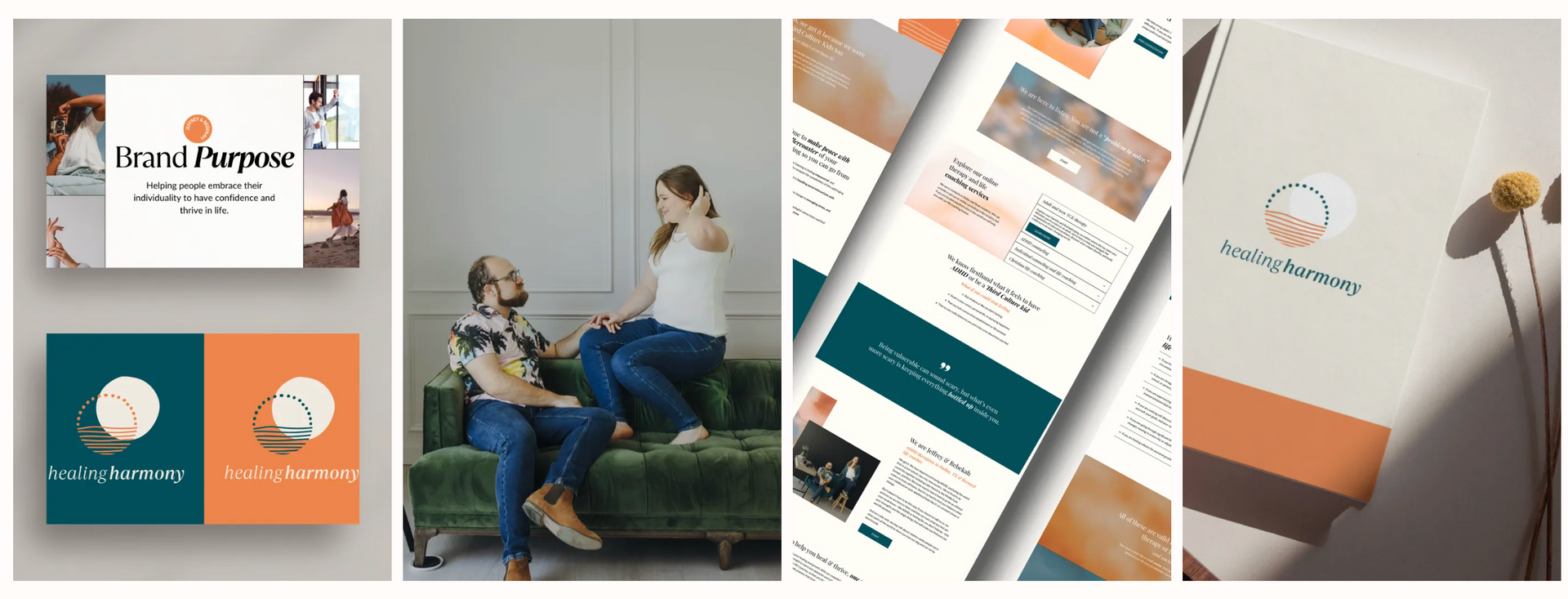
Example 2: Healing Harmony life coaching and therapy website
The Healing Harmony Counseling website is a great example of a coaching and therapy brand that blends clinical support with life coaching. The practice is led by a husband and wife team, Jeffrey Proctor and Rebekah Proctor, who specialize in helping young adults, Third Culture Kids, and people navigating ADHD find clarity, identity, and emotional resilience through counseling and coaching.
For this project, the work went beyond design. The process included naming the brand, clarifying their niche, building a custom logo, and creating a strategic website with dedicated service pages and SEO content. The result is a website that clearly communicates their mission and helps visitors feel understood from the first interaction, while also generating steady traffic and inquiries through a long term SEO strategy. Explore the full therapy and life coaching website here
Example 3: New Connections Mental Health
The website for New Connections Mental Health is a strong example of a therapist website designed specifically for a family focused practice. Founded by Michelle Holdeman, the site clearly communicates the practice’s mission to support children, teens, and parents through play based therapy and parent coaching in Hays, Kansas. The messaging immediately speaks to overwhelmed parents and positions the practice as a supportive partner in helping families reconnect and build emotional skills.
From a strategy perspective, the website combines clear service pathways with a strong educational approach. Visitors can easily explore services like play therapy, teen therapy, and CPRT parent coaching programs, while the site also integrates helpful resources and blog content that build trust with parents searching for guidance. The result is a website that not only explains services clearly but also positions the practice as a trusted local resource for family mental health. Explore the group private practice website here.

Example 4: Power Through Process therapy website
The website for Power Through Process showcases a holistic therapy brand built around embodiment and nervous system healing. The practice is led by therapist Chelsey Reese, a relational and somatic therapist who integrates talk therapy with body centered practices such as yoga and sound healing to help clients release trauma and reconnect with themselves.
For this project, the website was designed to communicate Chelsey’s unique approach clearly while guiding visitors toward booking a consultation. The structure highlights somatic therapy, her philosophy around healing beyond traditional talk therapy, and a clear introduction to her story and credentials. The result is a website that feels grounded and human while positioning her work in a way that helps ideal clients quickly understand the transformation she offers.

Example 5: Alma de Madre postpartum therapy website
The website for Alma de Madre highlights a therapy practice created specifically for mothers navigating the emotional realities of pregnancy and postpartum. Founded by therapist Karla Hernández, LCSW, the practice offers trauma informed therapy and support for new moms in Whittier, Los Angeles, helping them process anxiety, identity shifts, exhaustion, and the emotional complexity of early motherhood.
For this project, the website was designed to center emotional validation and connection from the very first section. The messaging speaks directly to mothers who feel overwhelmed or isolated, while the structure clearly guides visitors toward learning about postpartum therapy, accessing resources, or booking a consultation. The result is a website that feels deeply human and compassionate while still functioning as a clear pathway for new moms seeking support.

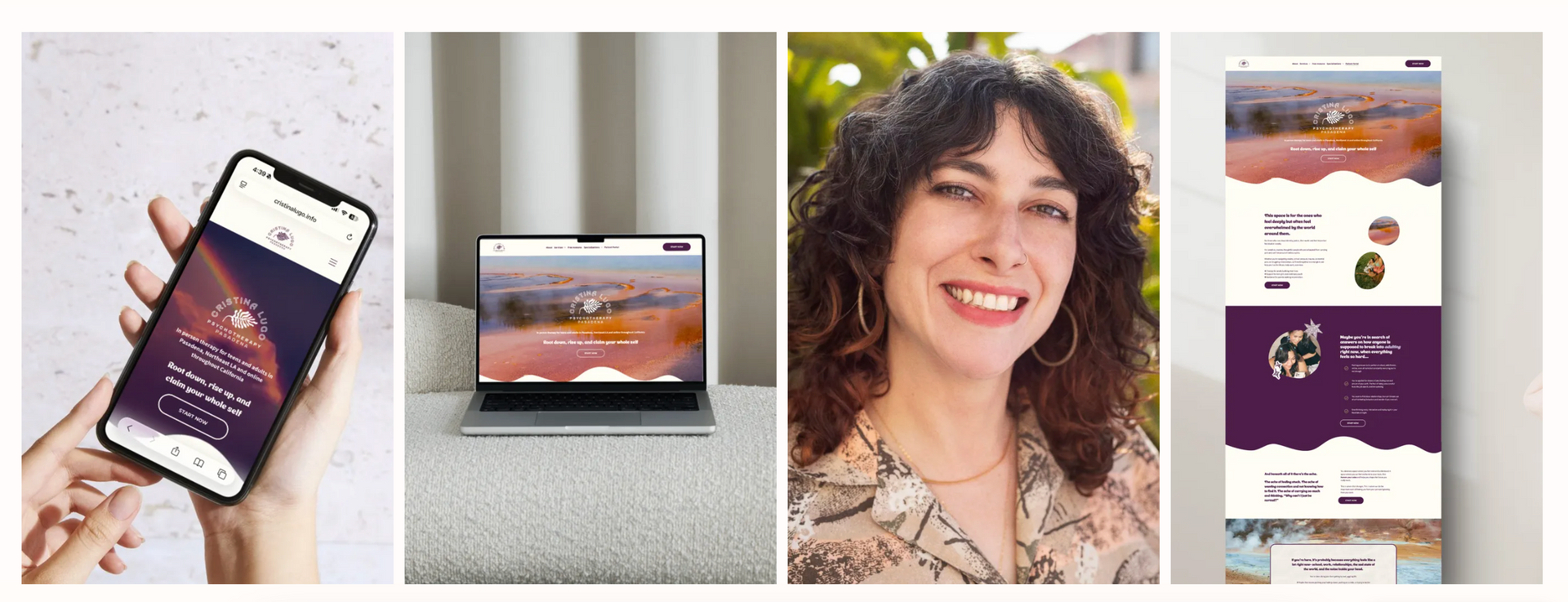
Example 6: Cristina Lugo psychotherapy website
The website for Cristina Lugo Psychotherapy is a great example of a therapy website built around a clear niche and deeply human messaging. The practice is led by Cristina Lugo, a trauma informed therapist who specializes in supporting teenagers and young adults navigating anxiety, identity struggles, trauma, and academic burnout. Her website immediately speaks to sensitive and thoughtful young people who often feel overwhelmed by expectations and emotional pressure.
From a strategy perspective, the site combines strong specialization pages with a clear client journey. Visitors can explore services such as EMDR therapy, teen therapy, group programs, and parent support, while the messaging emphasizes culturally responsive care and identity affirming therapy. The result is a website that feels welcoming and empowering while clearly positioning Cristina as a specialist for teens and young adults seeking deeper emotional support.
Example 7: Deeply Seen Psychological Services therapy website
The website for Deeply Seen Psychological Services highlights a highly specialized therapy practice created by psychologist Dr. Jacquelyn Johnson, who provides faith integrated therapy and coaching for high achieving Black women and women of color. The brand speaks directly to women navigating burnout, perfectionism, leadership pressure, and emotional isolation, while honoring the role of faith and cultural identity in the healing process.
From a strategy perspective, the website clearly positions Dr. Johnson’s niche and philosophy while guiding visitors through services like Christian therapy, executive coaching, and specialized support for anxiety, depression, and perfectionism. The messaging emphasizes emotional liberation and identity aligned healing, creating a strong sense of connection for the audience the practice is designed to serve.

Example 8: Sitting in Sisterhood therapy website
The website for Sitting in Sisterhood is a powerful example of a therapy website built around a deeply specific niche. The practice was founded by Stephanie Poole, a licensed clinical social worker and wellness coach who specializes in supporting women navigating postpartum anxiety, identity shifts, fertility challenges, and the emotional transition into motherhood. The messaging speaks directly to overwhelmed mothers who feel pressure to “hold it all together,” creating immediate emotional resonance for the audience the practice serves.
From a strategic standpoint, the website clearly organizes Stephanie’s services into focused specialization pages such as perinatal therapy, postpartum anxiety support, fertility counseling, and health coaching. This structure helps visitors quickly understand how they can be supported while also strengthening the site’s visibility for specific therapy searches related to motherhood and postpartum mental health.

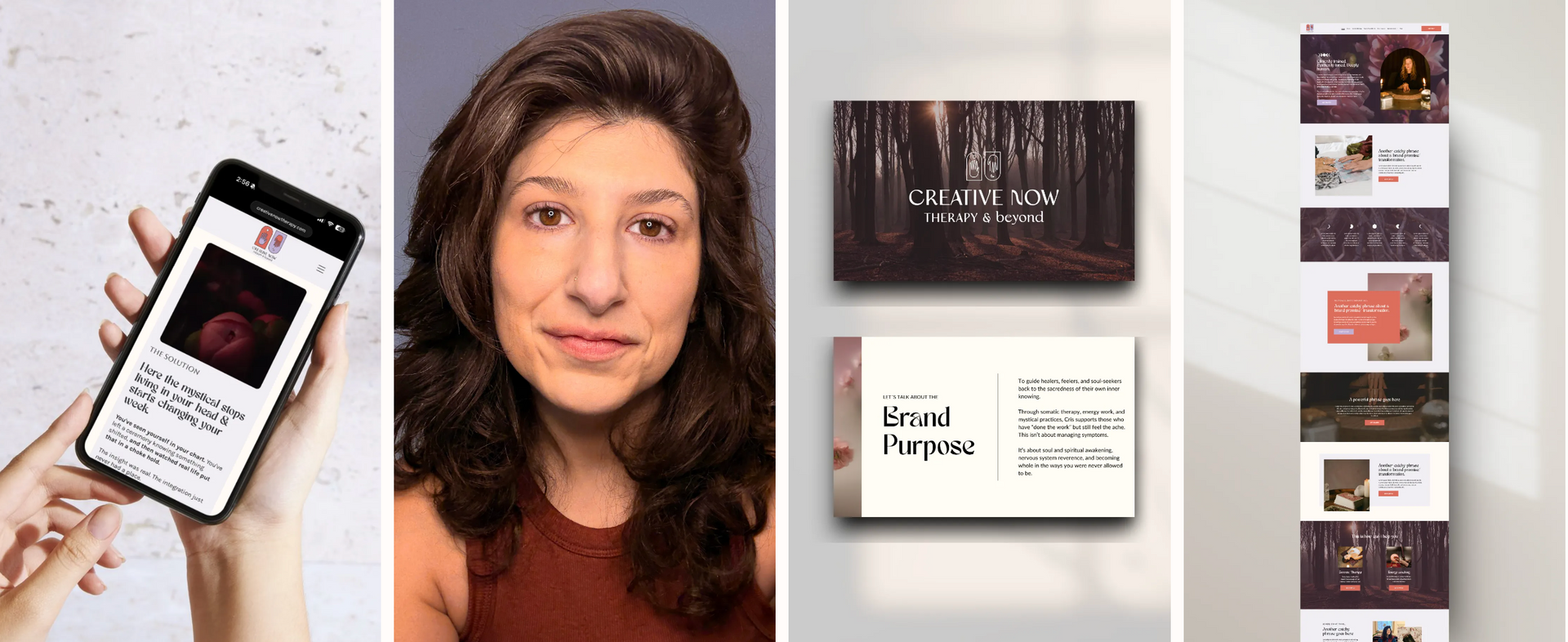
Example 9: Creative Now Therapy holistic psychotherapy website
The website for Creative Now Therapy showcases a highly distinctive therapy brand that blends somatic psychotherapy with spiritual integration. The practice is led by therapist Cris Maria Fort Garcés, who works with sensitive, intuitive women and queer adults navigating trauma, identity shifts, anxiety, and burnout through body based therapy and creative healing practices.
From a strategy perspective, the website clearly communicates a unique niche by integrating both clinical and spiritual language. Services such as somatic psychotherapy, energy coaching, and modalities like astrology consultation, shadow work, and art therapy are organized into specialization pages that guide visitors through the different pathways into the work. The result is a website that feels deeply aligned with the practitioner’s voice while also providing a structured client journey for booking a consultation.
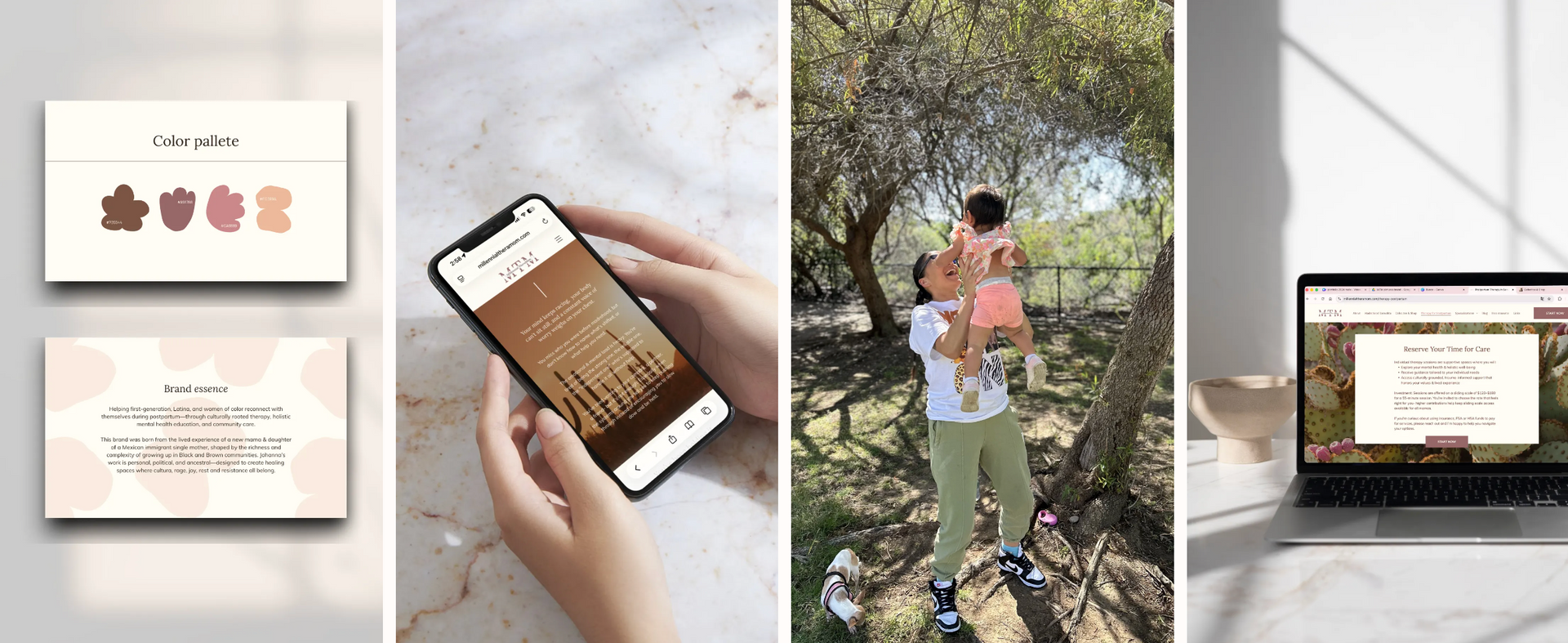
Example 10: Millennial TheraMom therapy website
The website for Millennial TheraMom was created for therapist and mental health educator Johanna Lee. The brand focuses on supporting first generation Latina mothers navigating pregnancy, postpartum, anxiety, and the emotional complexity of modern motherhood. The website speaks directly to new moms who may feel overwhelmed, disconnected, or pressured to “stay strong,” while creating a culturally grounded space where their experiences are validated.
From a strategy perspective, the site blends therapy services with community based resources such as the Madrehood Escuelita, workshops, and educational content. The structure clearly separates clinical therapy available to California residents from digital resources and community offerings available nationwide. This approach allows the website to function both as a therapy practice website and as a larger educational platform for maternal mental health.
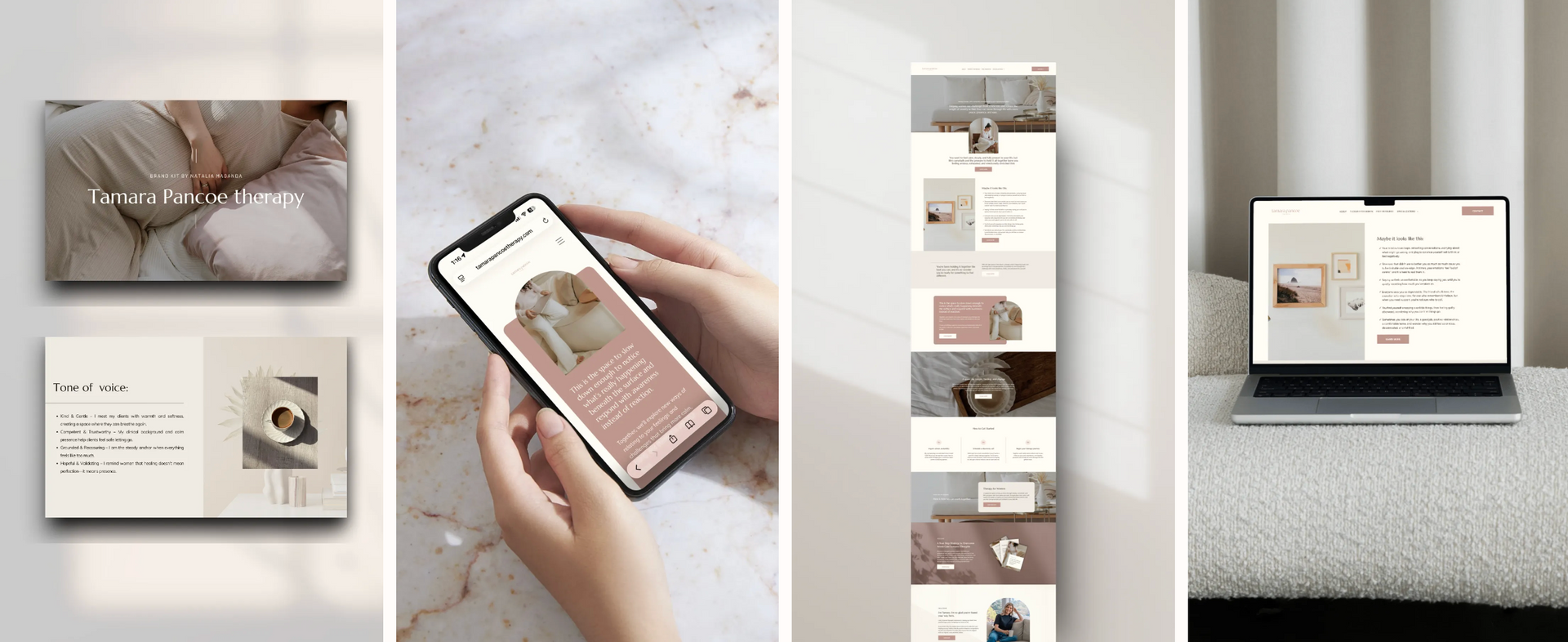
Example 11: Tamara Panco Therapy
The website for Tamara Panco Therapy is a strong example of a clean and approachable private practice website that focuses on clarity and emotional connection. The site introduces Tamara’s work with individuals navigating anxiety, stress, life transitions, and personal growth, while presenting therapy as a collaborative and supportive process rather than a clinical or intimidating experience.
From a strategy perspective, the website prioritizes simplicity and accessibility. Visitors can quickly understand the therapist’s approach, explore services, and take the next step toward booking a consultation. The structure keeps the focus on the client’s experience, creating a welcoming digital space that helps potential clients feel safe reaching out for support.
Example 12: Stefanie Raccuglia somatic psychotherapy website
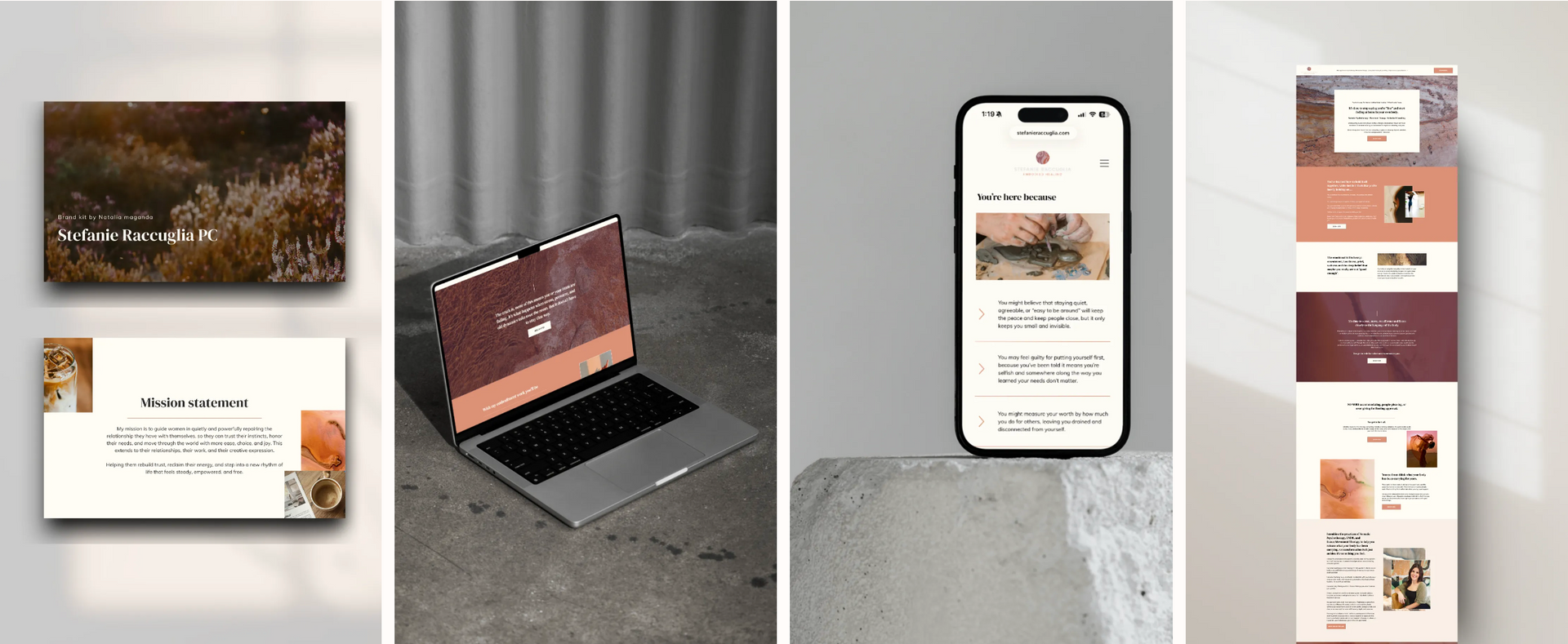
The website for Stefanie Raccuglia is a strong example of a therapy website that clearly communicates a unique therapeutic approach. Stefanie is a licensed mental health counselor and somatic psychotherapist who integrates EMDR, dance movement therapy, and body based healing to help clients reconnect with themselves and process trauma through the mind body connection.
From a strategy perspective, the website emphasizes embodiment and nervous system healing rather than traditional talk therapy alone. The messaging explains how somatic psychotherapy, movement based practices, and trauma informed therapy work together to help clients build resilience and reconnect with their internal resources. This creates a website that immediately positions the practice as a specialized and integrative therapy experience rather than a generic counseling service.
Example 13: Richard De La Garza veteran therapy website
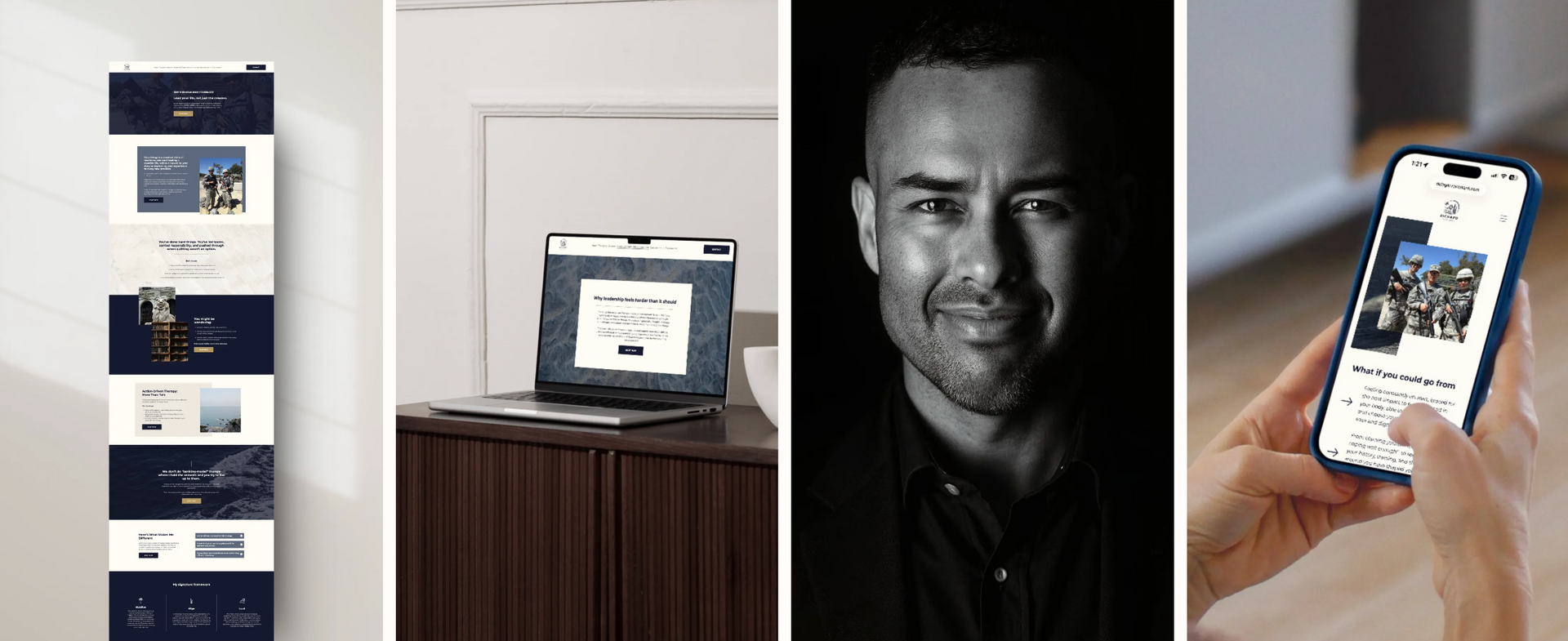
The website for Richard De La Garza, LCSW is a strong example of a therapy website built around a very specific audience and leadership oriented messaging. Richard is a Mexican American licensed clinical social worker, U.S. Army veteran, and doctoral scholar whose practice focuses on supporting veterans, military connected individuals, and people navigating high responsibility roles. His approach blends trauma informed therapy with leadership development and nervous system awareness.
From a strategy perspective, the website clearly communicates a unique philosophy of care. Rather than presenting therapy as symptom management alone, the messaging focuses on rebuilding structure, purpose, and decision making after major life transitions such as leaving military service. The site organizes services around topics like trauma, PTSD, anger, anxiety, and identity after service while guiding visitors toward booking a consultation or accessing resources.
Example 14: Vida Collective therapy website
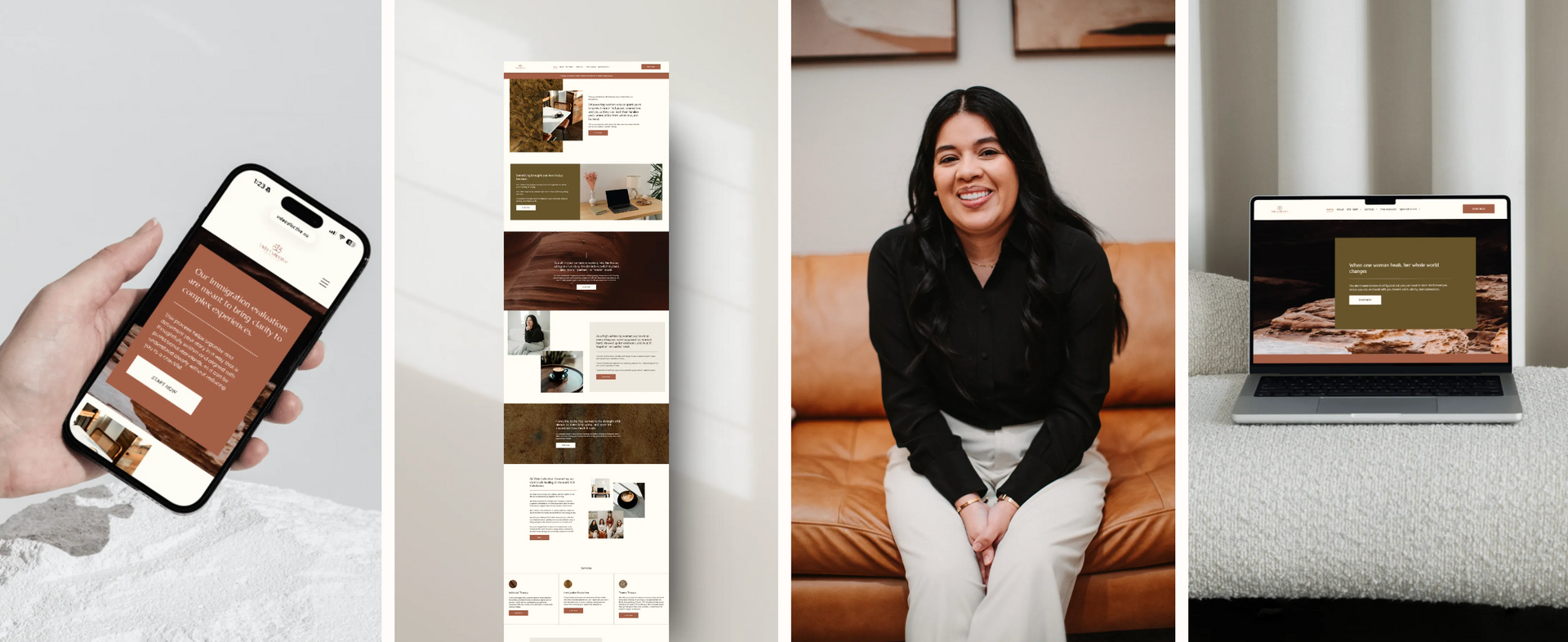
The website for Vida Collective Counseling is a great example of a group practice website built around a clear audience and compassionate messaging. Founded by Ana Alcacio Eldridge, the practice focuses on supporting women in Little Rock through trauma informed therapy, offering services in both English and Spanish to better support diverse communities.
The site immediately speaks to women who feel emotionally overwhelmed, disconnected, or stuck in survival mode, positioning therapy as a space to slow down and reconnect with themselves.
From a strategy perspective, the website organizes services into clear pathways such as therapy for women, trauma therapy, and immigration evaluations, while also highlighting specialized approaches like EMDR and Brainspotting. The structure supports a growing team practice by introducing multiple therapists and creating dedicated specialization pages that guide visitors toward booking a consultation.
Example 15: CASA Therapy couples therapy website
The website for CASA Therapy is a strong example of a couples therapy website designed around cultural awareness and relationship healing. Founded by therapist Dama Perez, the practice focuses on helping multicultural couples and first generation partners navigate communication challenges, conflict, cultural expectations, and major life transitions. The messaging immediately speaks to couples who feel stuck in repeating patterns and want to rebuild connection in a healthier way.
From a strategy perspective, the website clearly organizes services around couples counseling while also offering complementary support such as premarital counseling, anxiety therapy, grief counseling, and immigration psychological evaluations. The structure helps couples understand what working together in therapy could look like and guides them toward booking a consultation, while positioning the practice as a culturally responsive space for relationship support.
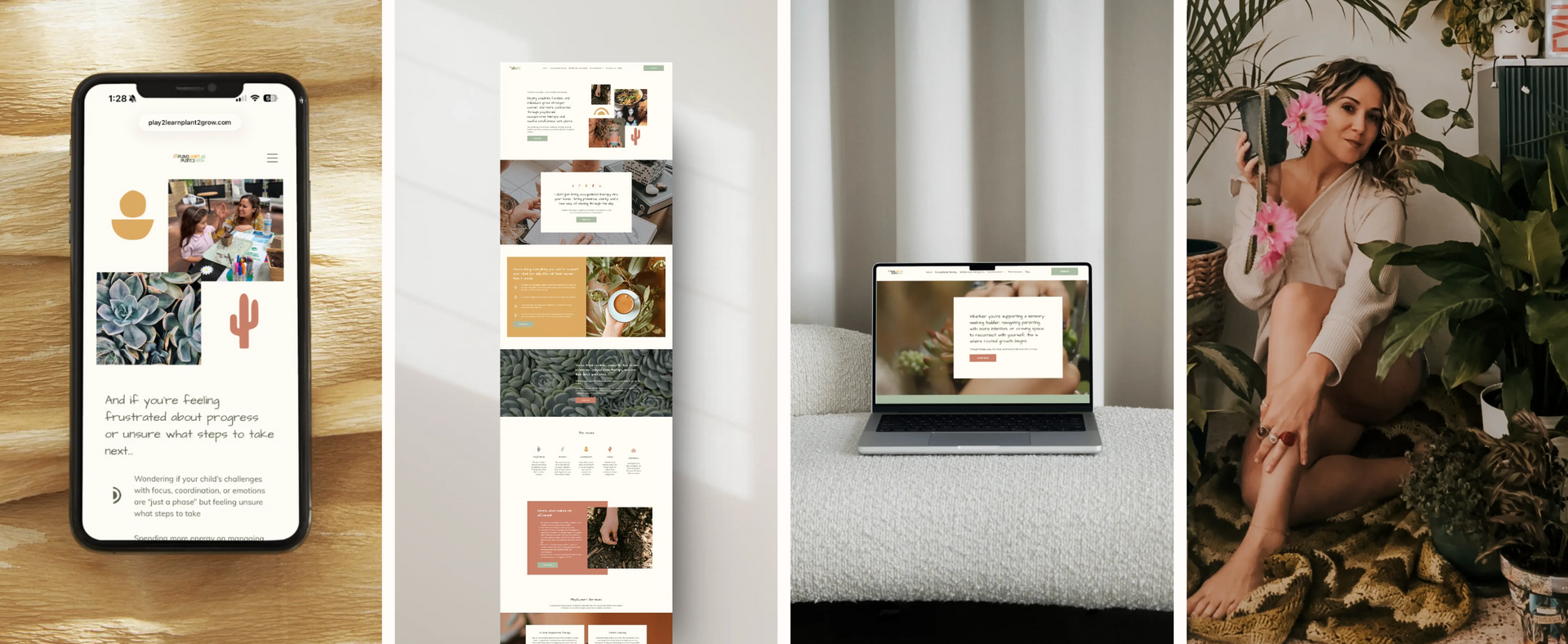
Example 16: Play2Learn Plant2Grow pediatric occupational therapy website
The website for Play2Learn Plant2Grow is a great example of a pediatric therapy website that blends clinical support with a holistic and creative approach. The practice was founded by pediatric occupational therapist Erika Valdés, who helps children and families build emotional regulation, motor skills, and independence through play based occupational therapy and parent coaching delivered directly in the child’s real life environment.
From a strategy perspective, the website clearly communicates Erika’s unique model by combining traditional pediatric occupational therapy with nature based mindfulness experiences and plant workshops. Services such as in home OT sessions, sensory integration support, and parent coaching are organized alongside community workshops that use planting and ritual as tools for emotional connection and creativity. This creates a website that highlights both therapeutic expertise and the broader vision of helping families grow stronger, calmer, and more connected.
Common patterns across great therapist websites
After reviewing many therapist websites, certain patterns appear consistently.
They focus on the client experience
The language reflects what visitors may be feeling rather than only describing the therapist’s background.
They make therapy feel approachable
Visitors feel reassured that reaching out will be safe and supportive.
They guide visitors step by step
Strong websites gently guide visitors from learning about the therapist to contacting them.
Why therapist websites matter for private practice growth
For many therapists, their website becomes the first place a potential client encounters their work.
When that experience is thoughtful and welcoming, visitors are much more likely to reach out.
Over time, a strong website can create consistent inquiries without requiring constant marketing or social media activity.
Instead of chasing visibility, your website becomes a system that quietly supports the growth of your practice.
When therapists decide to improve their website
When therapists decide to improve their website with me, most of them are not starting from scratch. They usually already have a website that looks decent but is underperforming. It might have been built by a designer who did not understand private practice marketing, or it may have been a DIY site that never evolved as their practice grew. The common thread is that the website is not bringing consistent inquiries from the right clients.
That is where a full website overhaul comes in. Instead of simply redesigning the site, we rebuild it with strategy at the center. This includes clarifying the therapist’s niche, restructuring the pages to support a clear client journey, and implementing local SEO so the practice can actually be found on Google. The goal is not just a beautiful website, but a website that works as a long term marketing asset for the practice.
Creating a therapist website that actually works
Creating a therapist website that actually works requires more than choosing colors or adding a few pages. Most therapists who work with me already have a website that exists, but it was built without a clear strategy for attracting the right clients or generating consistent inquiries. My process focuses on turning the website into a marketing system that supports the growth of the practice long term.
First, we clarify the structure and positioning of the practice. This includes identifying the therapist’s niche, defining the ideal client, and mapping the core pages that will guide visitors through the website. Instead of generic therapy pages, the site is built around specialization pages and messaging that helps potential clients recognize themselves in the work and feel understood.
Next, we design and build a strategic five page website using proven layouts that are optimized for conversion. These templates are not generic website themes. They are built specifically for therapists and private practice owners, with clear calls to action, strong service pages, and a client journey that leads visitors toward booking a consultation.
Once the website structure is in place, we implement a local SEO launch strategy so the practice can start building visibility on Google. This includes creating additional SEO focused pages that target relevant therapy searches in the therapist’s area. Over time, ongoing SEO and blogging help the website grow its traffic year after year.
Finally, we connect the website to the tools that make the practice easier to run. This includes appointment booking, contact forms, email marketing, and client inquiry management through an integrated CRM. Instead of juggling multiple tools, the website becomes the central hub of the therapist’s marketing and client intake system.
The goal of this process is simple: build a website that works in the background of the practice. One that attracts the right clients, supports the therapist’s growth, and removes the pressure of having to constantly market on social media.
Explore my web design services for therapists and get started today.
* AI Disclosure: This content may contain sections generated with AI with the purpose of providing you with condensed helpful and relevant content, however all personal opinions are 100% human made as well as the blog post structure, outline and key takeaways.
* Affiliate Disclosure: Some of the links on www.nataliamaganda.com may contain affiliate links meaning that I will get a commission for recommending products at no extra cost to you.

hello! i'm natalia maganda
The website manager for therapists and private practices that you didn't know existed.
We build and manage the 20+ page website that ranks in your city, reflects the depth of your work and books cash-pay clients with ease.
A done for you website management system that lets your practice grow without costing you your energy, your weekends, or your nervous system.